
Transform Your Kitchen Into a Wellness Sanctuary
Discover the art and science of cooking that nourishes your body and soul. Learn how mindful preparation, quality ingredients, and intentional techniques can reshape your relationship with food.
The information on this site is for educational purposes only and does not constitute medical advice. Always consult a qualified healthcare professional before making health decisions.
Inspiring Dishes and Kitchen Moments
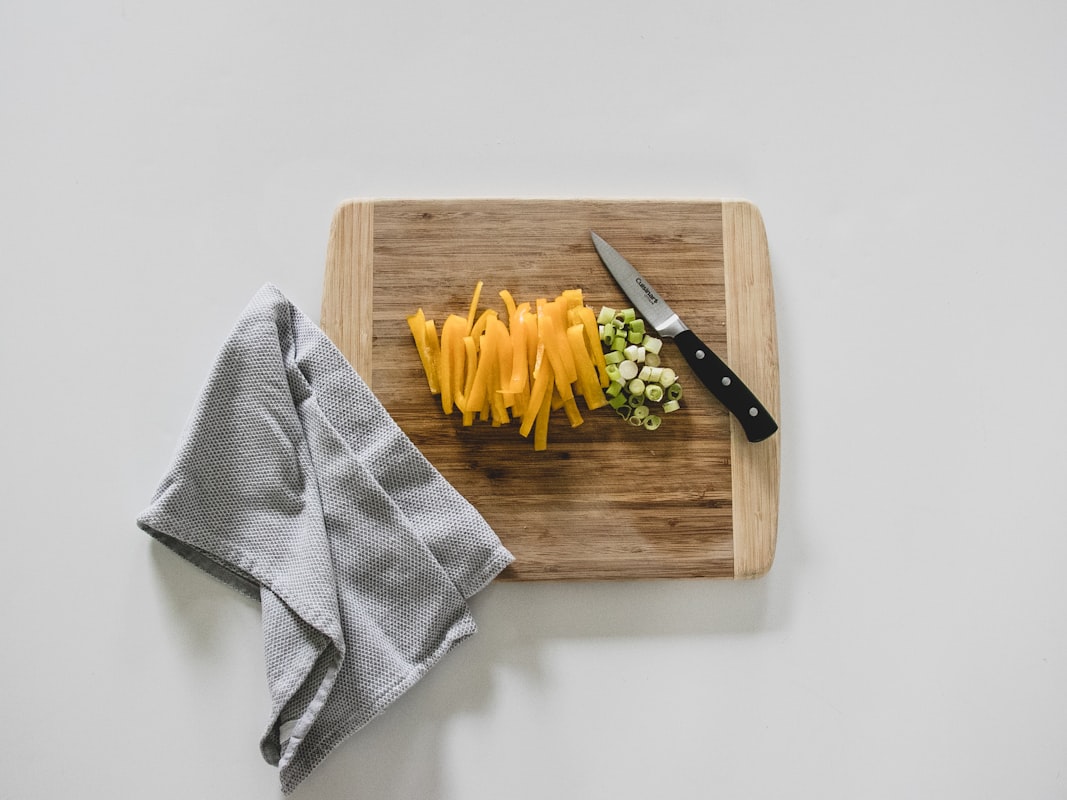
Vibrant Vegetable Dishes
Discover how to bring out the natural flavors and nutrients in fresh produce through proper cooking methods.
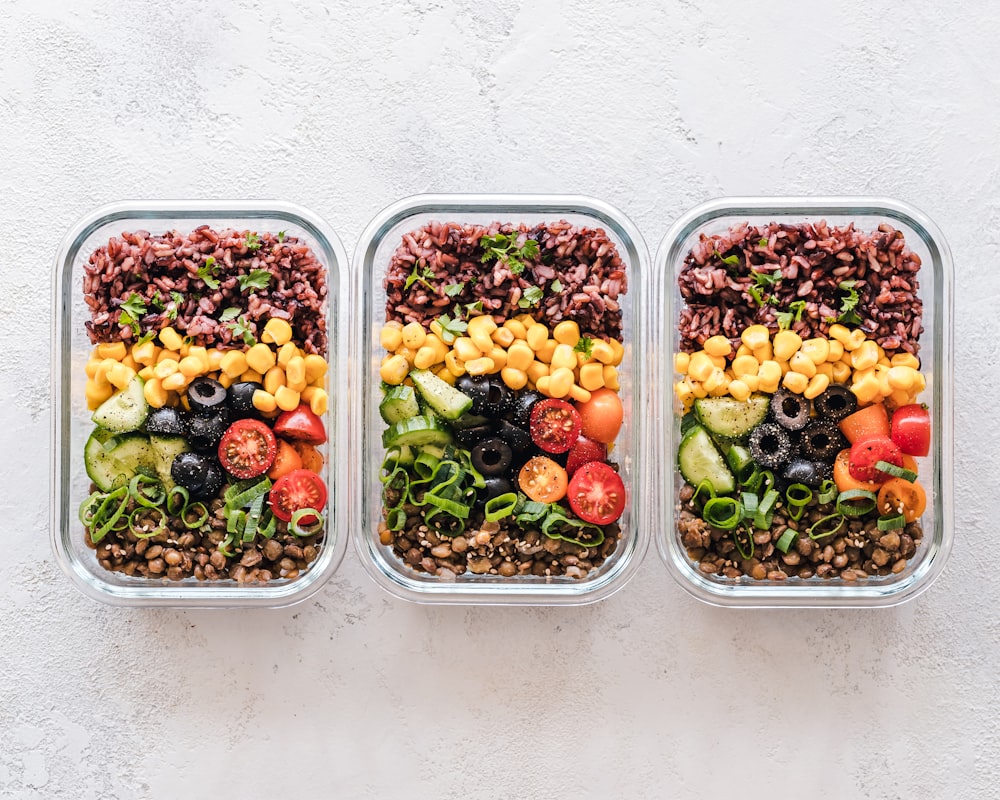
Herb-Forward Cooking
Fresh herbs transform simple meals into aromatic, nutrient-dense creations that awaken your palate.
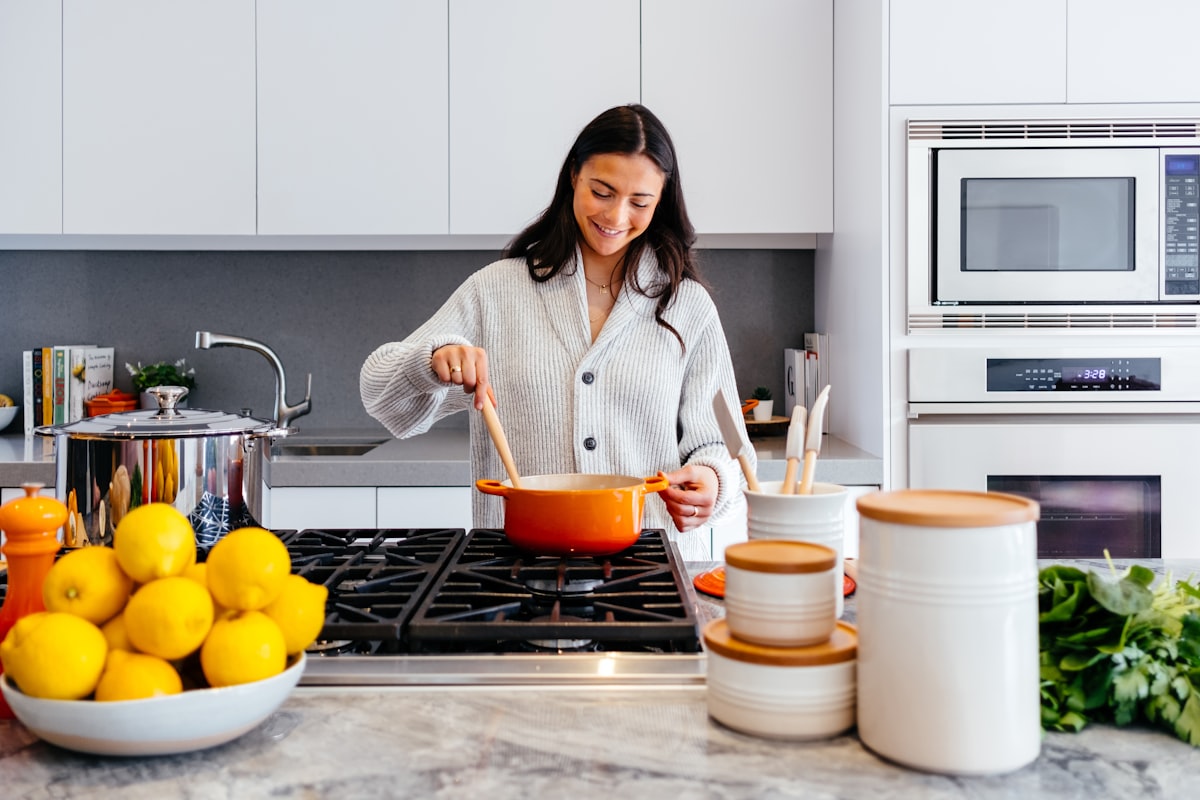
Balanced Grain Bowls
Learn to compose satisfying, nutrient-complete meals that sustain energy throughout your day.
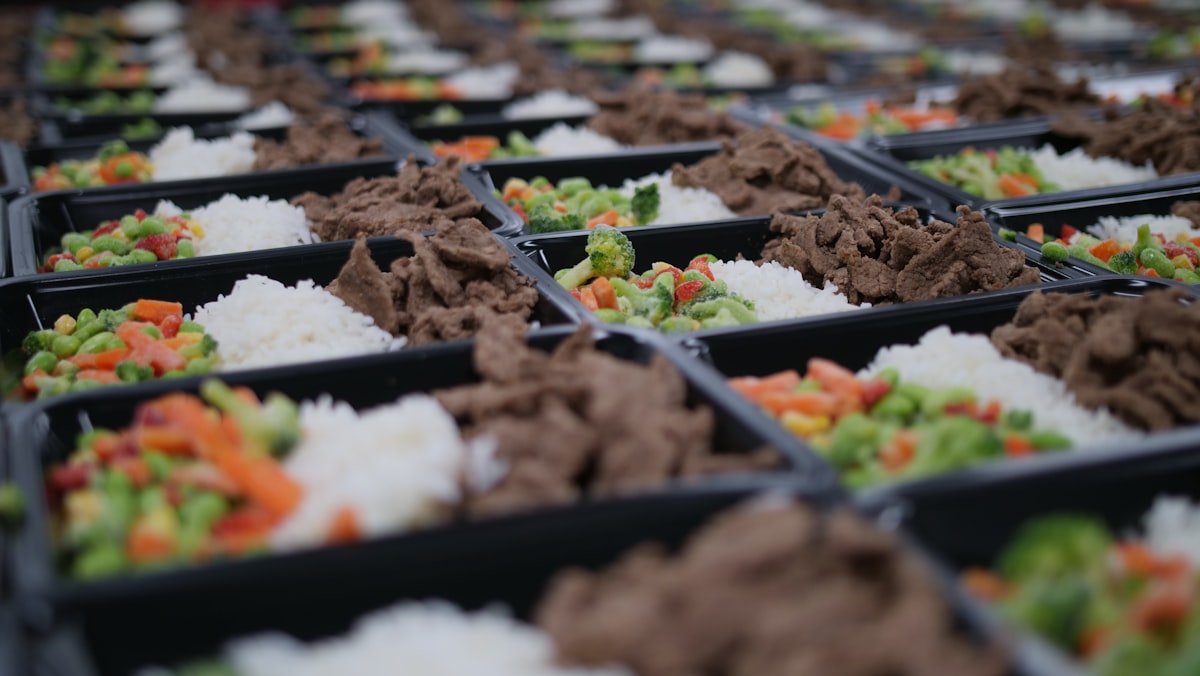
Nourishing Soups
Slow-cooked broths and soups extract maximum nutrition and flavor from every ingredient.
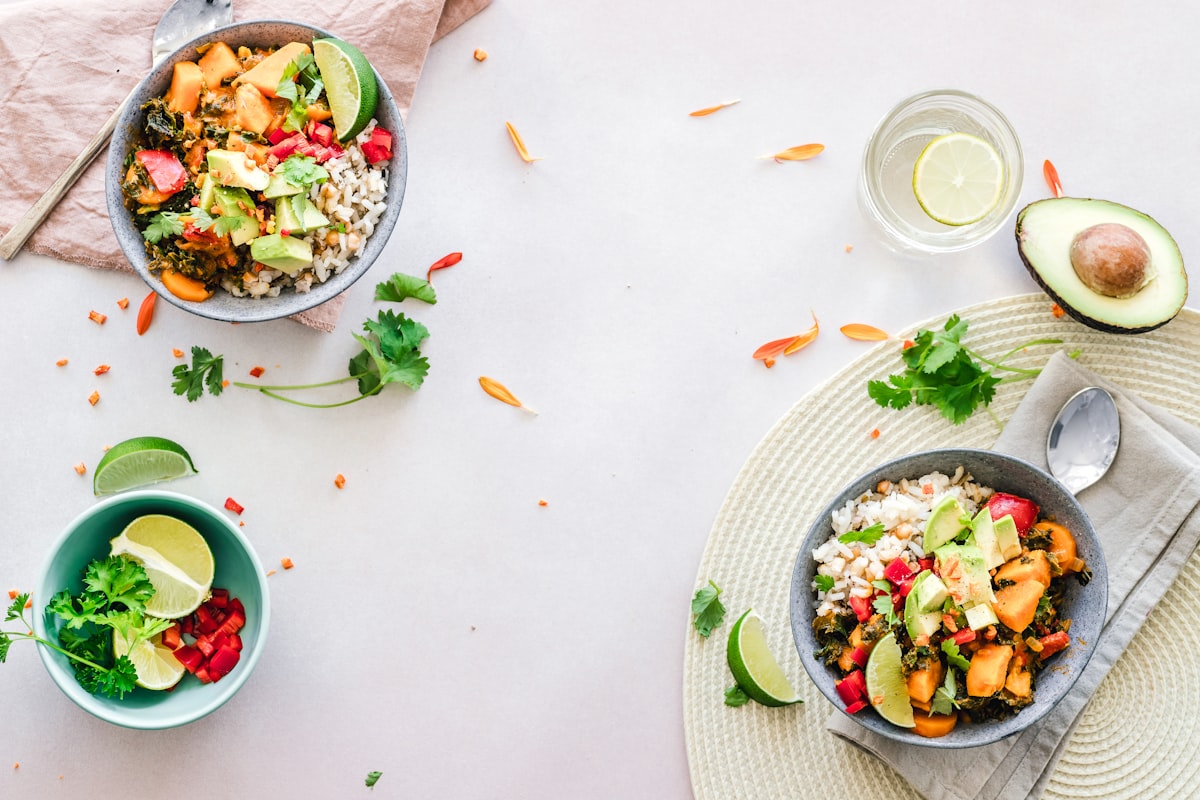
Creative Salad Compositions
Master the balance of textures, flavors, and nutrients in visually stunning, satisfying salads.
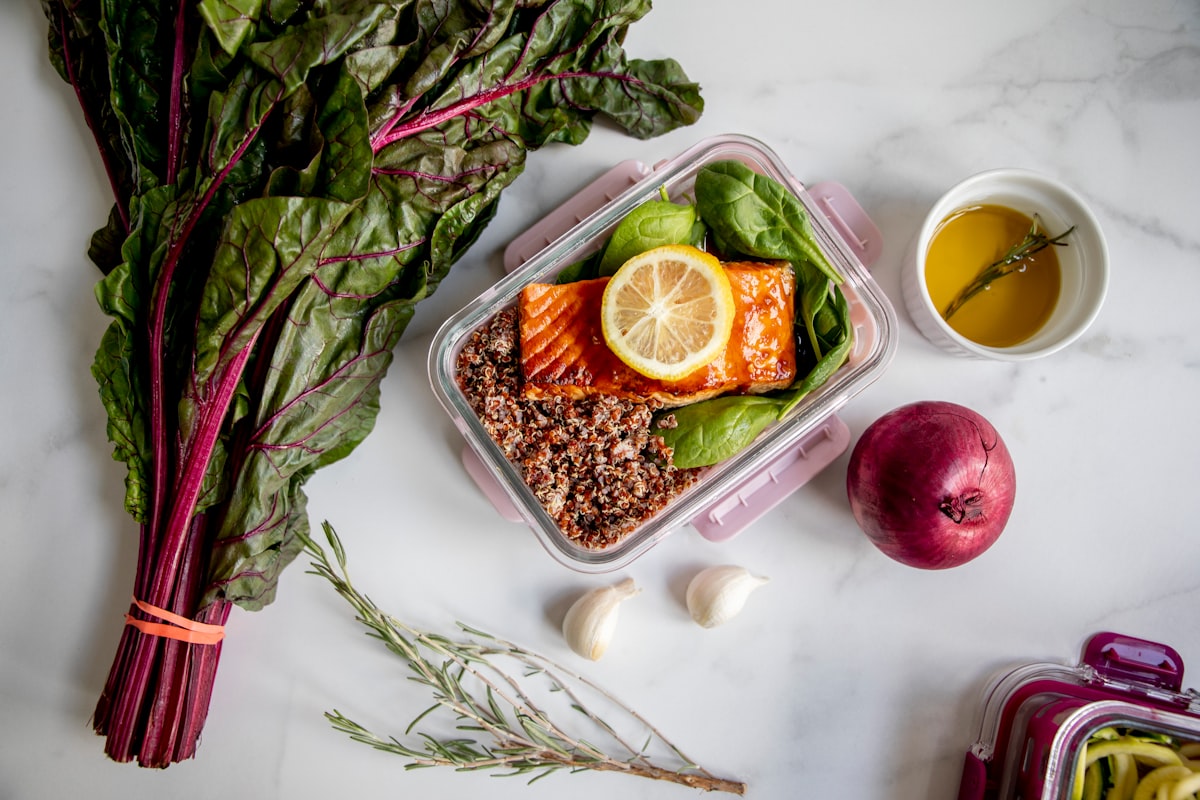
Mindful Breakfast Ideas
Start your day with intention—nutrient-dense breakfasts that set the tone for conscious eating.
Five Steps to Mastering Healthy Meal Prep
Plan with Intention
Before you shop, define your weekly eating goals. Consider seasonal ingredients, your energy levels, and desired cooking time. A thoughtful plan prevents waste and ensures you cook with purpose.
Select Quality Ingredients
Choose whole, minimally processed foods. Visit local farmers' markets to source fresh produce, quality grains, and sustainable proteins. Quality ingredients are the foundation of nourishing meals.
Master Basic Techniques
Learn proper knife skills, cooking temperatures, and flavor-building methods. Foundational techniques like roasting, steaming, and sautéing unlock the potential of every ingredient.
Prepare with Mindfulness
Approach cooking as meditation. Notice textures, aromas, and colors. Engage all your senses during preparation. This mindful approach transforms cooking from a chore into a nourishing practice.
Store and Enjoy Thoughtfully
Proper storage preserves nutrients and freshness. Eat slowly, without distractions, and notice how foods make you feel. This completes the cycle of mindful eating.
Why Cook at Home: The Real Difference
Know Your Ingredients
When you cook at home, you control exactly what goes into your body. No hidden additives, preservatives, or processed oils—just real food you've chosen and prepared yourself.
Develop Real Skills
Home cooking builds confidence and competence in the kitchen. Each meal you prepare teaches you something new about flavor, nutrition, and technique—skills that serve you for life.
Nourish Your Body
Home-cooked meals prepared with intention naturally support your wellbeing. You choose cooking methods that preserve nutrients and honor your body's needs.
Save Resources
Cooking at home is significantly more economical than eating out. You buy whole foods, reduce waste through proper storage, and get better nutritional value for your money.
Connect with Others
Sharing home-cooked meals strengthens relationships and builds community. Cooking together becomes a meaningful shared activity that nourishes more than just your body.
Embrace Creativity
Your kitchen becomes a creative space where you experiment with flavors, techniques, and ingredients. Each meal is an opportunity for discovery and personal expression.
Stories from Our Community (Individual results may vary)
"I never realized how much my kitchen practices were affecting my eating habits. Since learning proper techniques from these articles, I've completely transformed how I approach meals. The mindfulness aspect has been especially powerful—I actually enjoy cooking now instead of rushing through it. My family has noticed the difference in how I feel and my energy levels."
Anna Weber
Graz, Austria
"As someone who spent years eating takeout, I was intimidated by home cooking. These practical guides made it accessible and actually fun. The knife skills section alone has changed my daily kitchen experience. I'm saving money, eating better, and genuinely looking forward to meal prep time now. It's become my favorite part of the week."
Marcus Schneider
Vienna, Austria
"The science-backed explanations finally helped me understand why certain cooking methods matter. I've learned which techniques preserve nutrients best, and I can actually explain this to my kids. Now cooking together is an educational experience. The whole family's relationship with food has improved—we're more intentional and grateful."
Elena Hoffmann
Salzburg, Austria
"I appreciate how Mindful Cooking Art doesn't push any extreme diets—it's just about cooking well and eating intentionally. The articles have helped me understand my own body's needs better. I feel more in tune with my body's needs since I started being more conscious about what and how I eat. It's genuinely changed my life in quiet ways."
Thomas Berger
Innsbruck, Austria
The Science Behind Nutritious Meal Planning
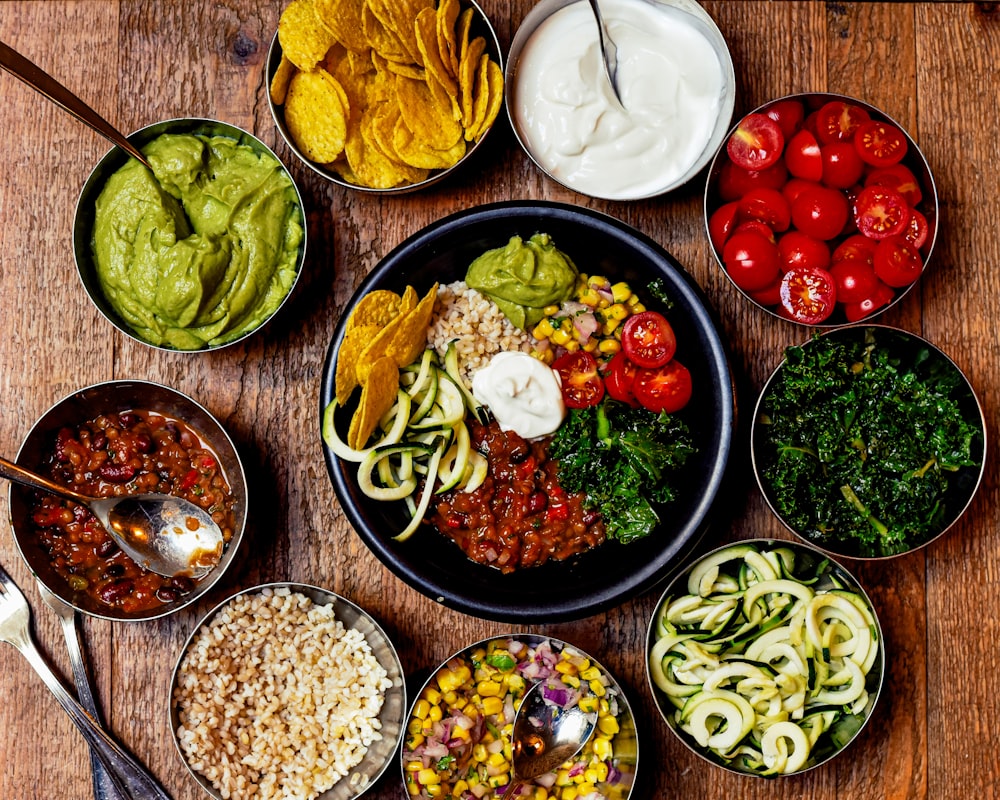
Understanding How Cooking Affects Nutrition
Every cooking method influences the nutritional profile of food in different ways. Raw vegetables retain certain enzymes, while gentle steaming preserves water-soluble vitamins. High-heat roasting develops antioxidants and deepens flavors. Understanding these relationships allows you to choose techniques that maximize the nutritional value of your ingredients.
Meal planning becomes truly powerful when you consider not just calories, but the combination of macronutrients—proteins, fats, and carbohydrates—and how they work together in your body. A plate balanced with whole grains, quality protein, and colorful vegetables creates sustained energy and satisfaction.
Phytonutrients—compounds found in plant foods—work synergistically when eaten as whole foods rather than isolated supplements. This is why a home-cooked meal of real ingredients provides benefits that go far beyond simple calorie counting.
Explore Recipe ScienceCommon Questions About Healthy Cooking
How do I start cooking at home if I have no experience?
Begin with simple recipes that use only 4-5 ingredients. Master basic knife skills and cooking temperatures first. Our technique guides break down each step clearly. Start with dishes you already enjoy eating to build confidence, then gradually explore new flavors and methods. Most important: be patient with yourself—every cook started exactly where you are now.
What's the best way to preserve nutrients when cooking?
Use minimal water when boiling vegetables; steaming is often superior. Keep cooking times short for delicate vegetables. High heat cooking methods like stir-frying actually activate certain nutrients. Avoid overcooking to the point of mushiness. Eat vegetables raw when possible, but understand that some nutrients like lycopene in tomatoes actually increase with gentle cooking.
How can I meal prep without getting bored with the same foods?
Prepare basic components separately—cooked grains, roasted vegetables, proteins—then combine them differently throughout the week. Use varied seasonings, sauces, and herbs to transform the same ingredients. Plan for at least three different flavor profiles in your weekly menu. This approach maintains both practicality and excitement in your eating experience.
What are the most important kitchen tools to start with?
A sharp chef's knife, cutting board, heavy-bottomed pot, and a large skillet cover most cooking needs. Add measuring spoons, a wooden spoon, and a good colander. You don't need expensive gadgets—quality basics last years and do the job reliably. Focus on materials like stainless steel and cast iron that improve with use rather than trendy tools.
How do I choose the best quality ingredients at the market?
Visit farmers' markets when possible to speak directly with growers about their practices. Look for seasonal produce—it's fresher, more nutritious, and more affordable. For packaged items, read ingredient lists carefully; shorter lists with recognizable words indicate minimal processing. Build relationships with trusted vendors who can guide your choices.
Can mindful cooking actually improve how I feel?
Yes. When you cook with intention and eat without distractions, you develop better awareness of how different foods affect your energy, digestion, and mood. This mindfulness also activates your parasympathetic nervous system—your "rest and digest" mode—which improves nutrient absorption. The act of cooking itself reduces stress and creates a sense of agency over your health.
Begin Your Cooking Transformation
Join our community of home cooks discovering how mindful preparation and intentional eating can reshape their relationship with food. Explore recipes, learn techniques, and connect with others who value real food prepared with care.
Located in Graz, Austria. Email: [email protected]